
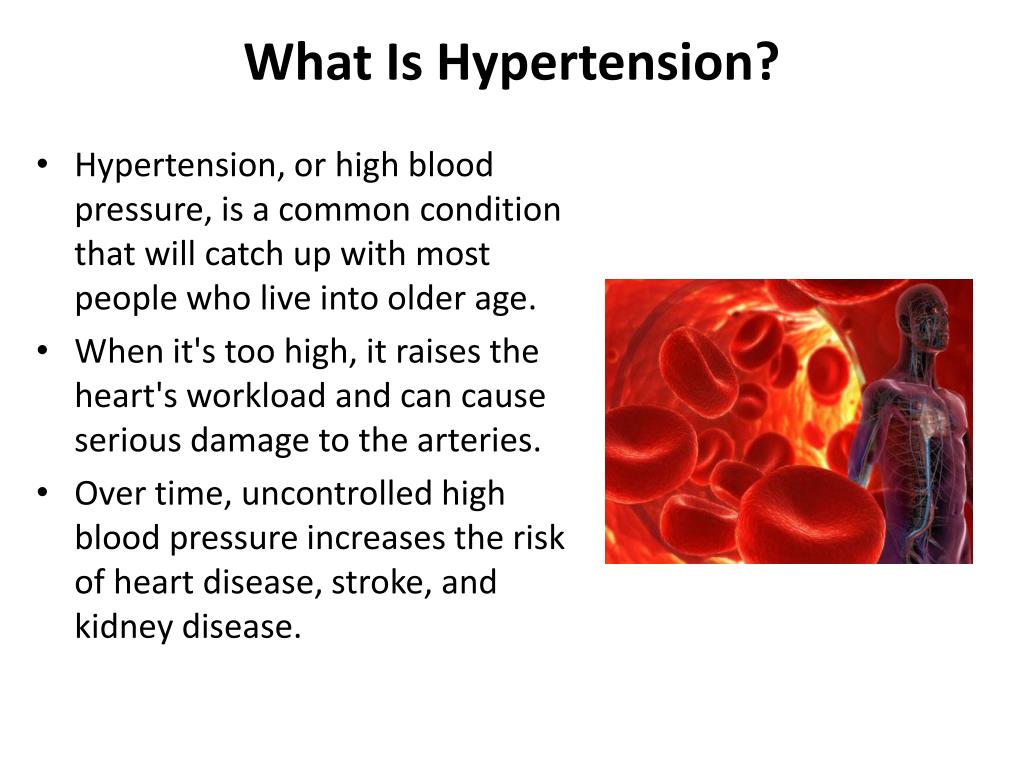
Nursing Care Plan for Hypertension , or high blood pressure, is a condition characterized by consistently elevated blood pressure levels, surpassing 140 over 90 mmHg. It is classified as primary (essential) in about 90% of cases or secondary when linked to an identifiable pathology like renal disease or primary aldosteronism.
Normal blood pressure is below 120/80 mmHg, while elevated pressure falls between 120-129 systolic and less than 80 diastolic. Stages 1 and 2 range from 130-139/80-89 and 140 or higher/90 or higher, respectively. Hypertensive Crisis is defined as exceeding 180 systolic and over 120 diastolic. New guidelines by the American College of Cardiology and American Heart Association (2018) classify blood pressure and emphasize its connection to cardiac output and peripheral resistance.
Get Your Custom Essay Written From Scratch Empowering Nursing Care Plan for Hypertension and Strategies for Optimal Patient Outcomes with NurseHomeWorks
 Get Answer Over WhatsApp
 Order Paper Now
Just from $13/Page
Various factors contribute to hypertension, including increased sympathetic nervous system activity, renal sodium reabsorption, renin-angiotensin-aldosterone system activity, impaired vasodilation, insulin resistance, and immune response activation.
While hypertension often presents with no physical symptoms, retinal changes and severe cases may lead to vascular damage, resulting in complications like angina, myocardial infarction, heart failure, kidney dysfunction, and cerebrovascular issues.
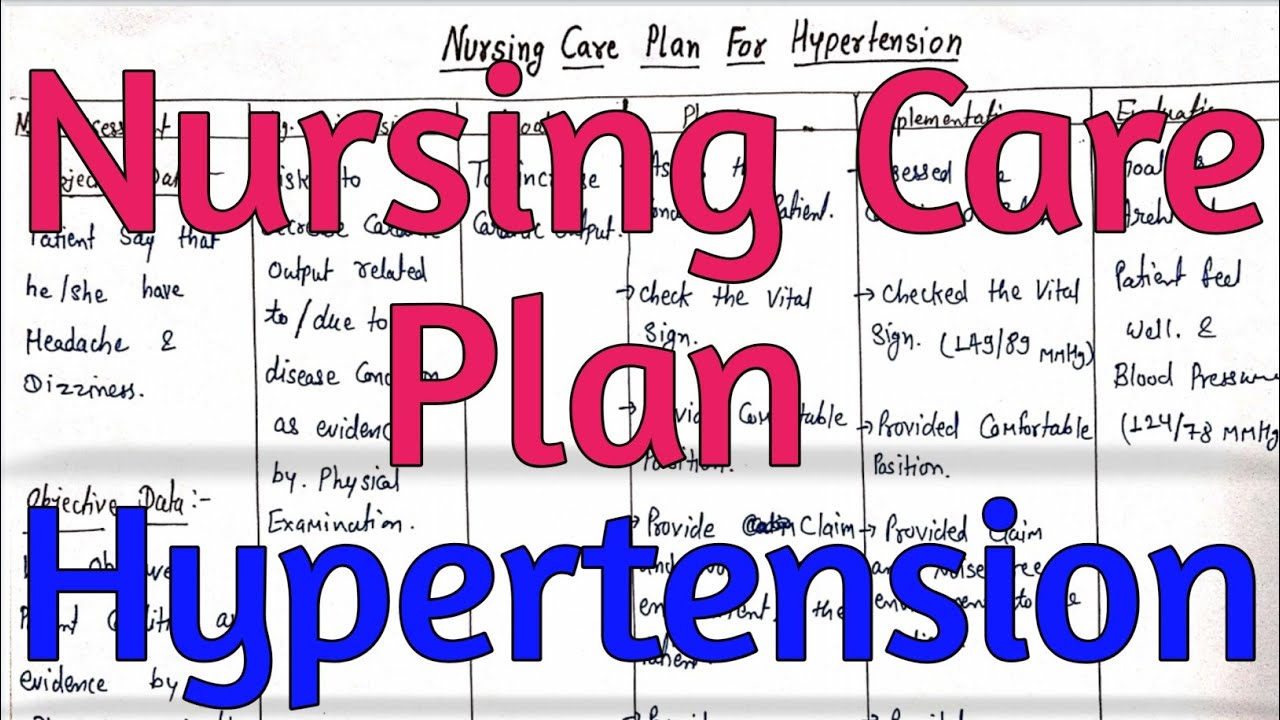
1. Assessment: Begin by conducting a thorough assessment of the patient’s medical history, lifestyle, and current health status. Gather data on blood pressure readings, any existing comorbidities, and medication history. This forms the foundation for a targeted care plan.
2. Diagnosis: Accurate diagnosis is key in formulating a nursing care plan. Collaborate with healthcare professionals to confirm the hypertension diagnosis and identify any underlying causes or risk factors that may influence the care plan.
3. Set Clear Objectives: Establish clear and measurable objectives for hypertension management. Define target blood pressure ranges, lifestyle modifications, and specific interventions to guide the care plan’s effectiveness.
4. Medication Management: Incorporate a detailed plan for medication management, ensuring adherence to prescribed medications. Educate the patient on the importance of compliance, potential side effects, and the role of each medication in hypertension control.
5. Lifestyle Modifications: Address lifestyle factors contributing to hypertension. Integrate dietary changes, exercise routines, and stress management techniques into the care plan. Provide educational resources to empower patients in making sustainable lifestyle adjustments.
6. Regular Monitoring and Evaluation: Implement a systematic monitoring and evaluation process to track the patient’s progress. Regularly assess blood pressure levels, medication effectiveness, and any emerging complications. Adjust the care plan accordingly to ensure ongoing success.

7. Patient Education: Empower patients with comprehensive education on hypertension management. Offer resources on self-monitoring, symptom recognition, and the importance of routine follow-ups. Foster a collaborative approach in which patients actively participate in their care.
8. Collaborative Care: Promote interdisciplinary collaboration among healthcare professionals. Work closely with physicians, dietitians, and other specialists to ensure a holistic approach to hypertension management.
By following these steps, you can create a well-rounded nursing care plan for hypertension that addresses the unique needs of each patient. Keep abreast of the latest medical guidelines and research to continually refine and enhance your care plan for optimal patient outcomes.


Needs help with nursing assignment?
We are available 24x7 to deliver the best services and assignment ready within 3-4 hours? Order a custom-written, plagiarism-free paper
Get Answer Over WhatsApp
Order Paper Now