Empowering Nursing Care Plan for Hypertension and Strategies for Optimal Patient Outcomes with NurseHomeWorks

What is Hypertension?

Nursing Care Plan for Hypertension
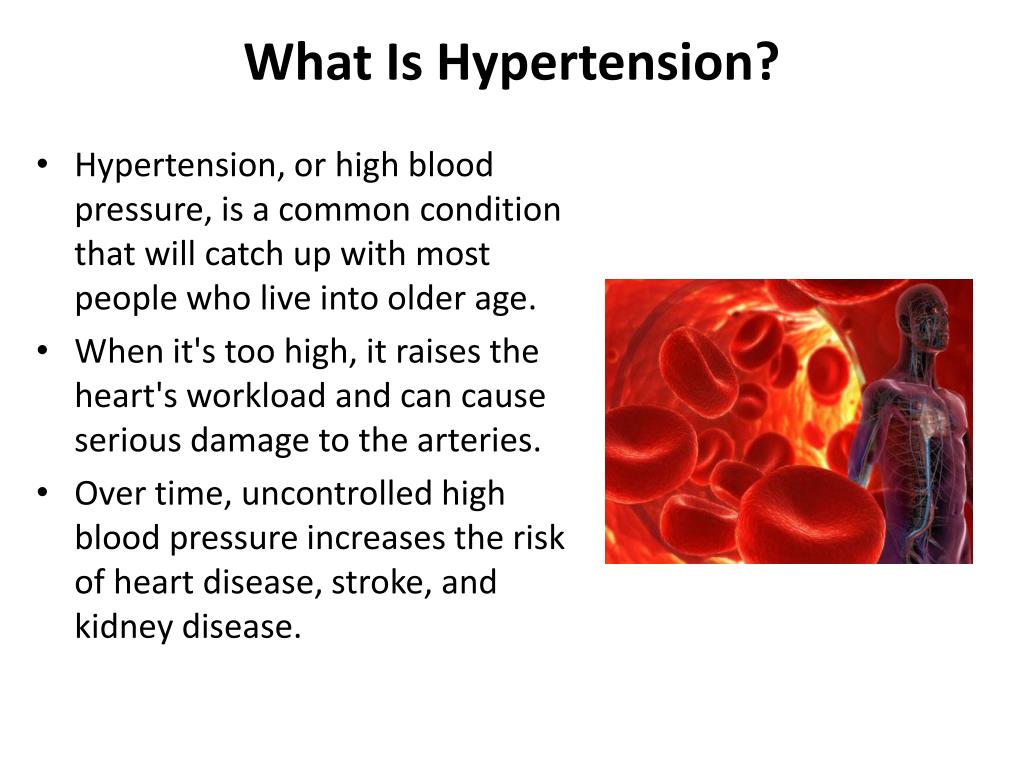
Nursing Care Plan for Hypertension , or high blood pressure, is a condition characterized by consistently elevated blood pressure levels, surpassing 140 over 90 mmHg. It is classified as primary (essential) in about 90% of cases or secondary when linked to an identifiable pathology like renal disease or primary aldosteronism.

Normal blood pressure is below 120/80 mmHg, while elevated pressure falls between 120-129 systolic and less than 80 diastolic. Stages 1 and 2 range from 130-139/80-89 and 140 or higher/90 or higher, respectively. Hypertensive Crisis is defined as exceeding 180 systolic and over 120 diastolic. New guidelines by the American College of Cardiology and American Heart Association (2018) classify blood pressure and emphasize its connection to cardiac output and peripheral resistance.

Get Your Custom Essay Written From Scratch Empowering Nursing Care Plan for Hypertension and Strategies for Optimal Patient Outcomes with NurseHomeWorks

Get Answer Over WhatsApp Order Paper Now

Just from $13/Page

Various factors contribute to hypertension, including increased sympathetic nervous system activity, renal sodium reabsorption, renin-angiotensin-aldosterone system activity, impaired vasodilation, insulin resistance, and immune response activation.

While hypertension often presents with no physical symptoms, retinal changes and severe cases may lead to vascular damage, resulting in complications like angina, myocardial infarction, heart failure, kidney dysfunction, and cerebrovascular issues.

1. Assessment: Begin by conducting a thorough assessment of the patient’s medical history, lifestyle, and current health status. Gather data on blood pressure readings, any existing comorbidities, and medication history. This forms the foundation for a targeted care plan.

2. Diagnosis: Accurate diagnosis is key in formulating a nursing care plan. Collaborate with healthcare professionals to confirm the hypertension diagnosis and identify any underlying causes or risk factors that may influence the care plan.

3. Set Clear Objectives: Establish clear and measurable objectives for hypertension management. Define target blood pressure ranges, lifestyle modifications, and specific interventions to guide the care plan’s effectiveness.

4. Medication Management: Incorporate a detailed plan for medication management, ensuring adherence to prescribed medications. Educate the patient on the importance of compliance, potential side effects, and the role of each medication in hypertension control.

5. Lifestyle Modifications: Address lifestyle factors contributing to hypertension. Integrate dietary changes, exercise routines, and stress management techniques into the care plan. Provide educational resources to empower patients in making sustainable lifestyle adjustments.

6. Regular Monitoring and Evaluation: Implement a systematic monitoring and evaluation process to track the patient’s progress. Regularly assess blood pressure levels, medication effectiveness, and any emerging complications. Adjust the care plan accordingly to ensure ongoing success.
Nursing Care Plan for Hypertension

7. Patient Education: Empower patients with comprehensive education on hypertension management. Offer resources on self-monitoring, symptom recognition, and the importance of routine follow-ups. Foster a collaborative approach in which patients actively participate in their care.

8. Collaborative Care: Promote interdisciplinary collaboration among healthcare professionals. Work closely with physicians, dietitians, and other specialists to ensure a holistic approach to hypertension management.

By following these steps, you can create a well-rounded nursing care plan for hypertension that addresses the unique needs of each patient. Keep abreast of the latest medical guidelines and research to continually refine and enhance your care plan for optimal patient outcomes.

9. Individualized Patient Goals: Tailor the care plan to the specific needs and goals of each patient. Collaboratively establish achievable targets for blood pressure control, lifestyle changes, and overall well-being. Recognize the uniqueness of each patient’s circumstances and preferences.

10. Symptom Recognition and Emergency Preparedness: Educate patients on recognizing potential symptoms of hypertension complications and the importance of seeking prompt medical attention. Include emergency response protocols in the care plan to ensure patients are well-prepared to handle critical situations.

11. Cultural Sensitivity: Acknowledge and integrate cultural considerations into the care plan. Respect cultural beliefs, dietary preferences, and traditional practices that may impact hypertension management. A culturally sensitive approach enhances patient trust and engagement.
Nursing Care Plan for Hypertension

12. Documentation and Communication: Maintain meticulous documentation of all assessments, interventions, and patient responses. Ensure seamless communication within the healthcare team to foster continuity of care. Clearly articulate changes in the care plan and collaborate with colleagues for comprehensive patient support.

13. Continuous Education and Training: Stay updated on the latest advancements in hypertension management through ongoing education and training. Attend workshops, webinars, and conferences to enhance your skills and stay informed about emerging trends in nursing care for hypertension.

14. Patient Follow-Up: Establish a systematic follow-up schedule to monitor long-term progress. Regularly assess the effectiveness of the care plan, make necessary adjustments, and reinforce patient education. A proactive approach ensures sustained positive outcomes.

15. Utilize Technological Tools: Leverage technological advancements to streamline care plan management. Explore digital platforms for patient education, remote monitoring, and virtual communication. Integrating technology enhances patient engagement and facilitates efficient healthcare delivery.

16. Family and Support System Integration: Recognize the significance of the patient’s support system, including family members and caregivers. Involve them in the care plan, providing education on hypertension management and fostering a collaborative environment that extends beyond the healthcare setting.

17. Behavioral Modification Techniques: Incorporate behavioral modification strategies to address potential barriers to adherence. Utilize motivational interviewing techniques to understand patient perspectives, identify challenges, and collaboratively develop solutions for sustained lifestyle changes.

18. Community Resources: Connect patients with community resources that support hypertension management. Provide information on local support groups, wellness programs, and community initiatives promoting healthy living. Encouraging community engagement enhances the patient’s overall well-being.

19. Stay Informed on Evidence-Based Practices: Stay abreast of evidence-based practices and guidelines related to hypertension care. Regularly review literature, attend conferences, and participate in professional development to ensure your care plan aligns with the latest advancements in hypertension management.

20. Foster Patient Advocacy: Be an advocate for your patients in navigating the healthcare system. Assist them in accessing necessary resources, understanding insurance coverage, and coordinating with other healthcare providers. Advocate for a patient-centric approach within the larger healthcare framework.

Elevating Nursing Care Plan for Hypertension through Comprehensive Nursing Plans
Nursing Care Plan for Hypertension

Crafting an effective nursing care plan for hypertension is a dynamic and evolving process that requires a multifaceted approach. By incorporating these strategies into your practice, you can not only address the immediate challenges posed by hypertension but also contribute to the long-term well-being and health of your patients. Stay committed to continuous improvement, embrace new methodologies, and champion a patient-centric ethos to ensure the success of your nursing care plans in hypertension management.

NurseHomeworks.com Comprehensive Insights into Nursing Care Plan for Hypertension Care

Understanding Hypertension: Hypertension, commonly known as high blood pressure, is a condition characterized by repeatedly elevated blood pressure levels exceeding 140 over 90 mmHg. Classified as primary or essential (about 90% of cases) or secondary due to identifiable pathologies, such as renal disease, hypertension poses significant health risks.

Blood Pressure Classification:

  • Normal: Less than 120/80 mmHg
  • Elevated: Systolic between 120-129 and diastolic less than 80
  • Stage 1: Systolic between 130-139 and diastolic 80-89
  • Stage 2: Systolic 140 or higher and diastolic at 90 or higher
  • Hypertensive Crisis: Systolic higher than 180 and diastolic higher than 120
    Nursing Care Plan for Hypertension

Factors Contributing to Hypertension: Hypertension can result from increased cardiac output, heightened peripheral resistance, or a combination of both. Various factors, including sympathetic nervous system activity, renal sodium reabsorption, and immune response activation, contribute to its development.

Clinical Presentation: While hypertension often exhibits no visible abnormalities, retinal changes and, in severe cases, swelling of the optic disc (papilledema) may occur. Vascular damage signs can include angina, myocardial infarction, left ventricular hypertrophy, kidney dysfunction, and cerebrovascular complications.

Nursing Care Plans & Management at NurseHomeworks.com: Effective nursing care management is essential for hypertension patients. NurseHomeworks.com provides structured guidance for nurses, ensuring the assessment, planning, implementation, and evaluation of interventions tailored to each patient’s needs.

Nursing Priorities:Nursing Care Plan for Hypertension 

  1. Prevent complications through aggressive hypertension management.
  2. Focus on weight reduction, lifestyle modifications, and dietary changes.
  3. Promote adherence to the therapeutic regimen.

Nursing Assessment: Comprehensive health history, physical examination, and laboratory tests are crucial for evaluating hypertension. Assessment includes subjective and objective data related to lifestyle, symptoms, and potential risk factors.

Nursing Diagnosis: NurseHomeworks.com emphasizes the formulation of standardized nursing diagnoses to recognize, prioritize, and address specific client needs and responses related to hypertension. Diagnoses serve as frameworks for personalized nursing interventions.

Nursing Goals: Goals include active patient engagement in blood pressure reduction activities, pain management, adherence to medication regimens, and enhanced disease understanding.

Nursing Interventions & Actions:

  1. Managing Decrease in Cardiac Output and Blood Pressure Monitoring
  2. Medication Administration and Pharmacologic Support
  3. Improving Tolerance to Activity
  4. Managing Pain
  5. Improving Coping and Adherence to Therapeutic Regimen
  6. Promoting Lifestyle and Dietary Modifications and Weight Reduction
  7. Health Teaching and Augmenting Knowledge

Nursing Care Plans & Management Nursing Care Plan for Hypertension

Nursing Problem Priorities

  1. Preventing complications and death through aggressive hypertension management.
  2. Weight reduction and lifestyle & dietary modifications.
  3. Promoting adherence to the therapeutic regimen.

Nursing Assessment

Assessment involves a thorough health history, physical examination, retinal assessment, and laboratory tests. Risk factor assessment guides treatment for cardiovascular complications.

Nursing Diagnosis

Nursing diagnoses provide a standardized method for recognizing, prioritizing, and addressing specific client needs and responses in relation to hypertension, including both actual and high-risk problems.

Nursing Goals And Nursing Care Plan for Hypertension

  1. Actively engage in activities aimed at reducing blood pressure and cardiac workload.
  2. Effectively manage pain and discomfort.
  3. Actively participate in necessary and desired activities.
  4. Demonstrate knowledge and understanding of the disease process, treatment regimen, and drug side effects.
    Nursing Care Plan for Hypertension

Nursing Interventions and Actions

  1. Managing Decrease in Cardiac Output and Blood Pressure Monitoring
    • Review clients at risk and individuals with conditions stressing the heart.
    • Monitor and record BP, assess pulses, heart tones, and breath sounds.
  2. Medication Administration and Pharmacologic Support
    • Administer medications, monitor responses, and prepare for surgery when indicated.
  3. Improving Tolerance to Activity
    • Evaluate factors contributing to fatigue.
    • Assess responses to activity, emotional factors, and implement energy-conserving techniques.
  4. Managing Pain
    • Note the client’s attitude toward pain, provide comfort measures, and administer analgesics.
  5. Improving Coping and Adherence to Therapeutic Regimen
    • Identify individual stressors, evaluate coping strategies, and assist in lifestyle changes.
  6. Promoting Lifestyle and Dietary Modifications and Weight Reduction
    • Assess risk factors associated with obesity and evaluate the patient’s relationship with food.
    • Develop a realistic weight-reduction plan, encourage food diaries, and educate on dietary changes.
  7. Health Teaching and Augmenting Knowledge
    • Assess readiness and blocks to learning, define desired BP limits, and avoid the term “normal” BP.
    • Instruct on self-monitoring, medication adherence, lifestyle changes, and provide information on community resources.

Remember, these interventions are tailored to individual patient needs and should be adjusted accordingly. NurseHomeWorks offers comprehensive resources for nursing care plans and educational support.

Needs help with nursing assignment?

We are available 24x7 to deliver the best services and assignment ready within 3-4 hours? Order a custom-written, plagiarism-free paper

Get Answer Over WhatsApp Order Paper Now

Scroll to Top