

Are you curious about the significance of an Associate Degree in Nursing (ADN) and how it can shape your nursing career? Look no further! In this comprehensive guide, we’ll unveil the essential aspects of an ADN, including its curriculum, career prospects, and opportunities for graduates.
Table of Contents
ToggleUnderstanding the Associate Degree in Nursing (ADN):
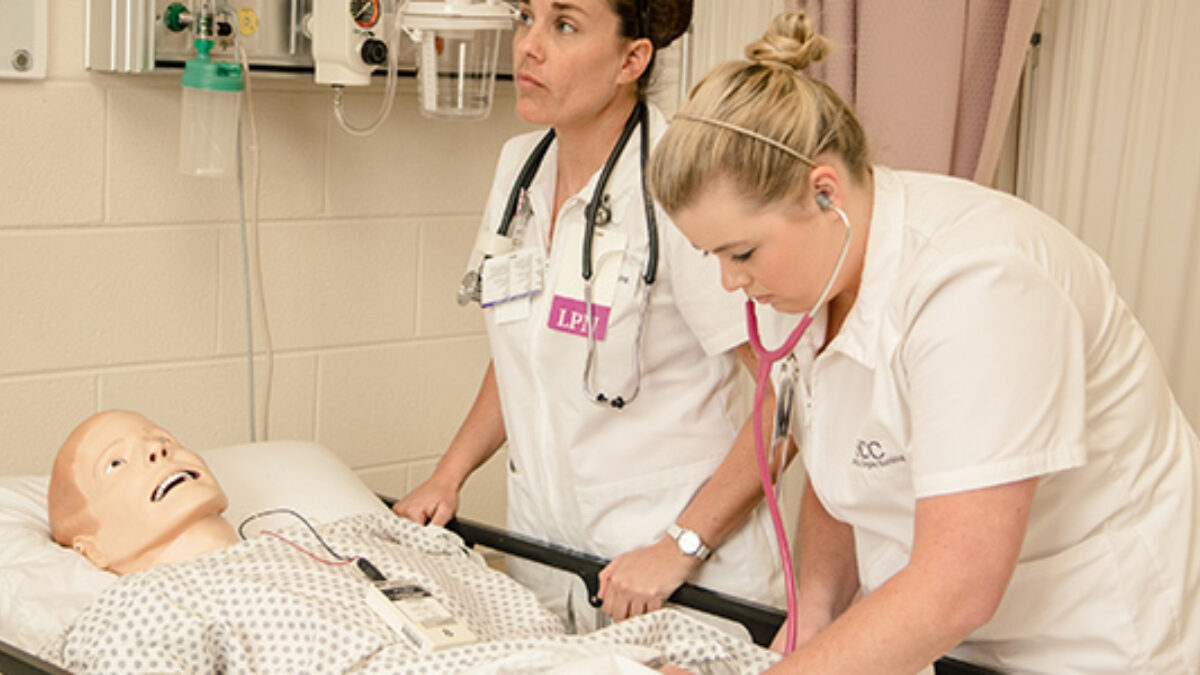
An Associate Degree in Nursing (ADN) is a two-year undergraduate program designed to prepare students for entry-level nursing practice. ADN programs combine classroom instruction with hands-on clinical experience to provide students with the knowledge, skills, and clinical competence needed to deliver safe and effective patient care.
Get Your Custom Essay Written From Scratch What is an Associate Degree in Nursing (ADN)?
 Get Answer Over WhatsApp
 Order Paper Now
Just from $13/Page
Curriculum Overview:
The curriculum of an ADN program typically includes a combination of general education courses, nursing theory, and clinical practice. Students learn about fundamental nursing concepts, health assessment, pharmacology, medical-surgical nursing, maternal-child health, psychiatric-mental health nursing, and nursing leadership.
Clinical rotations in various healthcare settings, such as hospitals, clinics, and long-term care facilities, allow students to apply their theoretical knowledge in real-world patient care scenarios under the supervision of experienced nurses and clinical instructors.
Career Prospects for ADN Graduates:
Graduates of ADN programs are eligible to sit for the National Council Licensure Examination for Registered Nurses (NCLEX-RN), which is required to obtain licensure as a registered nurse (RN). With their ADN degree and RN licensure, graduates can pursue entry-level nursing positions in a variety of healthcare settings, including hospitals, nursing homes, ambulatory care centers, and community health agencies.
ADN graduates may work as staff nurses, providing direct patient care, administering medications, and collaborating with other members of the healthcare team to promote patient health and wellness. Additionally, ADN-prepared RNs may choose to specialize in areas such as critical care, emergency nursing, labor and delivery, pediatric nursing, or gerontology.

Benefits of an ADN:
- Accessibility: ADN programs are widely available at community colleges, vocational schools, and online institutions, making them accessible to a diverse range of students.
- Affordability: ADN programs typically cost less than four-year Bachelor of Science in Nursing (BSN) programs, making them a more affordable option for students seeking to enter the nursing profession.
- Accelerated Entry into the Workforce: The shorter duration of ADN programs allows students to enter the workforce and start their nursing careers sooner compared to traditional four-year BSN programs.
- Pathway to Advanced Education: ADN graduates have the option to further their education and pursue a Bachelor of Science in Nursing (BSN) degree through RN-to-BSN bridge programs, which offer flexible options for working nurses to advance their education while continuing to work.
In conclusion, an Associate Degree in Nursing (ADN) serves as a valuable pathway for individuals seeking to enter the nursing profession and make a positive impact on patient care. With its comprehensive curriculum, hands-on clinical experience, and eligibility for RN licensure, an ADN provides students with the knowledge and skills needed to succeed as entry-level nurses in diverse healthcare settings.
Whether you’re a recent high school graduate, a career changer, or a licensed practical nurse (LPN) looking to advance your career, an ADN can provide you with the foundation you need to launch a successful nursing career. If you’re ready to take the first step towards becoming a registered nurse, NurseHomeworks.com is here to support you on your journey to success.
Ready to Begin Your Nursing Journey?
If you’re ready to embark on your nursing journey and pursue an Associate Degree in Nursing (ADN), NurseHomeworks.com is here to support you every step of the way. Our expert team can provide you with guidance, resources, and personalized assistance to help you navigate the ADN program application process, excel in your coursework, and prepare for the NCLEX-RN exam.
With our comprehensive study materials, practice exams, and expert-led tutoring sessions, you can feel confident and well-prepared as you work towards achieving your goal of becoming a registered nurse. Plus, our flexible online platform allows you to access resources and support whenever and wherever it’s most convenient for you, allowing you to balance your studies with other commitments.
Don’t wait any longer to pursue your passion for nursing and make a difference in the lives of others. Contact NurseHomeworks.com today to learn more about how we can help you succeed in your journey towards earning an Associate Degree in Nursing (ADN) and launching a fulfilling career in healthcare.
How to Get an ADN Degree

1. Meet Admission Requirements
The requirements for ADN programs will vary depending on the school. Gaining admission to nursing school is competitive no matter what degree level you’re applying for. So take care to research and meet all program requirements and prerequisites to set yourself up for success.
Some of the most common ADN program admission requirements are:
- High school diploma or GED equivalent
- Meet a minimum high school GPA
- High school chemistry and biology with minimum grade requirements
- Achieve program-specific standards for SAT/ACT math scores
- Pass the HESI entrance exam with a minimum score
- Pass a criminal background check
2. Apply to an Accredited ADN Program
Once you meet nursing school admission requirements, you can begin applying for ADN programs. However, you should always double-check to ensure that you attend an accredited nursing school. The Commission on Collegiate Nursing Education (CCNE) and the Accreditation Commission for Education in Nursing (ACEN) are the most common nursing school accreditors.
3. Create a Financial Plan
Although ADN tuition is among the least expensive nursing degree options, you should still consider the tuition cost before beginning your program. To decide how to pay for nursing school, you should identify your financial needs and explore your options, which include:
- Financial aid/FAFSA
- Nursing scholarships and grants
- Student loans for nurses
- Creating a budget
- Work-study opportunities
- VA benefits, if applicable
4. Attend Your ADN Program
Once accepted, you can attend nursing school to complete your ADN. Most programs will require two major components: classwork and clinical experience. Some common classes that comprise the ADN curriculum include, but are not limited to:
- Anatomy and Physiology
- Microbiology
- Psychology
- Basic Pharmacology
- Nursing Theory
You’ll also complete clinical rotations to gain hands-on experience and hone your nursing skills. Once you complete the required classwork and clinical hours to your college or university’s standards, you can graduate with your associate degree in nursing.
Remember that your degree doesn’t certify you to begin practicing. After graduation, you must pass the NCLEX-RN exam to earn RN licensure.

ADN Programs
Types of Associate Degree in Nursing Programs
Associate nursing programs have 3 tracks – ADN, ASN, and AAS degrees. Although all three will result in NCLEX-RN eligibility, the coursework in each type of degree has categorical differences. Here’s a brief breakdown of the differences in each nursing associate degree:
| Associate Degree in Nursing (ADN) |
|
| Associate of Science Degree in Nursing (ASN) |
|
| Associate of Applied Science in Nursing (AAS) |
|
Top ADN Programs
Selecting an ADN program is an extremely important and personal decision. Aside from considering your budget, schedule, and location, you should also think about accreditation. Your ADN program should be ACEN or CCNE accredited to meet national nursing education standards.
Online Associate Degrees in Nursing
It’s impossible to earn an associate’s degree in nursing entirely online because every ADN program has in-person clinical components that you must complete to graduate. However, there are several hybrid online ADN programs that provide greater levels of flexibility as you earn your degree.
ADN Jobs
An ADN prepares you to become a registered nurse. Therefore, you’ll be eligible to apply for any entry-level RN position. As you earn more experience, even more opportunities will open up for you. Here are just a few of the amazing career opportunities you can get with an ADN degree:
1. Hospital Nurse
Hospital nurse is a general term that describes RNs working in hospital settings. Hospital nursing includes bedside positions where you interact with patients directly. As a hospital nurse, you may specialize depending on the department in which you work. Such specializations include but aren’t limited to:
- Family medicine
- Pediatrics
- Emergency
- Oncology
- Surgery
- Radiology
Keep in mind that hospital nursing is demanding, as you would handle multiple patients each day and may have to be on call.
2. Travel Nurse
Travel nurses work with recruiters and agencies to fill temporary positions at hospitals worldwide. Travel nursing is an excellent option for ADN-trained registered nurses who want flexible careers that keep them on the go. Typically, you’ll need at least two years of nursing experience and an active RN license to become a travel nurse.
Since they are in such high demand and face rigorous requirements, travel nurse salary tends to be higher than other RN jobs. Although your ADN will allow you to become a travel nurse, you will have more limited options than BSN-trained RNs.
3. Home Health Nurse
Home health nursing is another flexible job you can get with an ADN that offers constant scenery changes and a lot of independence. Home health nurses work for an agency or other organization that dispatches nursing care to patients’ homes. Because patient’s needs vary case-by-case, home health nurses provide a range of services, including but not limited to:
- Bathing and feeding
- Monitoring patient conditions
- Ensuring compliance with physician’s orders
- Providing wound care and pain management
- Administering medication
My Experience Earning My ADN
To understand what it’s really like to earn an ADN, we thought we should go straight to the source. Here’s what Breann Kakacek had to say about earning her Associate Degree in Nursing:
“I earned my ADN degree from a community college in two years. The program was rigorous, but it was also gratifying. I learned a lot about the nursing profession and made some great friends along the way. I joined a concurrent program with a university where I received my BSN shortly after my ADN. This program allowed me to bypass the 2-year waitlist to enter the nursing program.
Despite the challenges, I am glad that I earned my ADN degree. It has given me an excellent foundation for my career and opened up many opportunities. I recommend the ADN program to anyone interested in a nursing career. If you want to further your career into management positions, BSN options are available as this degree or higher is usually desired for non-bed-side positions.”
Is an ADN Worth it?
“I earned my ADN degree from a community college in two years. The program was rigorous, but it was also gratifying. I learned a lot about the nursing profession and made some great friends along the way.
I joined a concurrent program with a university where I received my BSN shortly after my ADN. This program allowed me to bypass the 2-year waitlist to enter the nursing program.
Despite the challenges, I am glad that I earned my ADN degree. It has given me an excellent foundation for my career and opened up many opportunities. I recommend the ADN program to anyone interested in a nursing career.
If you want to further your career into management positions, BSN options are available as this degree or higher is usually desired for non-bed-side positions.” – Breann Kakacek, BSN, RN
Needs help with nursing assignment?
We are available 24x7 to deliver the best services and assignment ready within 3-4 hours? Order a custom-written, plagiarism-free paper
Get Answer Over WhatsApp
Order Paper Now