
Crafting an Effective Nursing Care Plan for Patient Wellness with NurseHomeworks.com
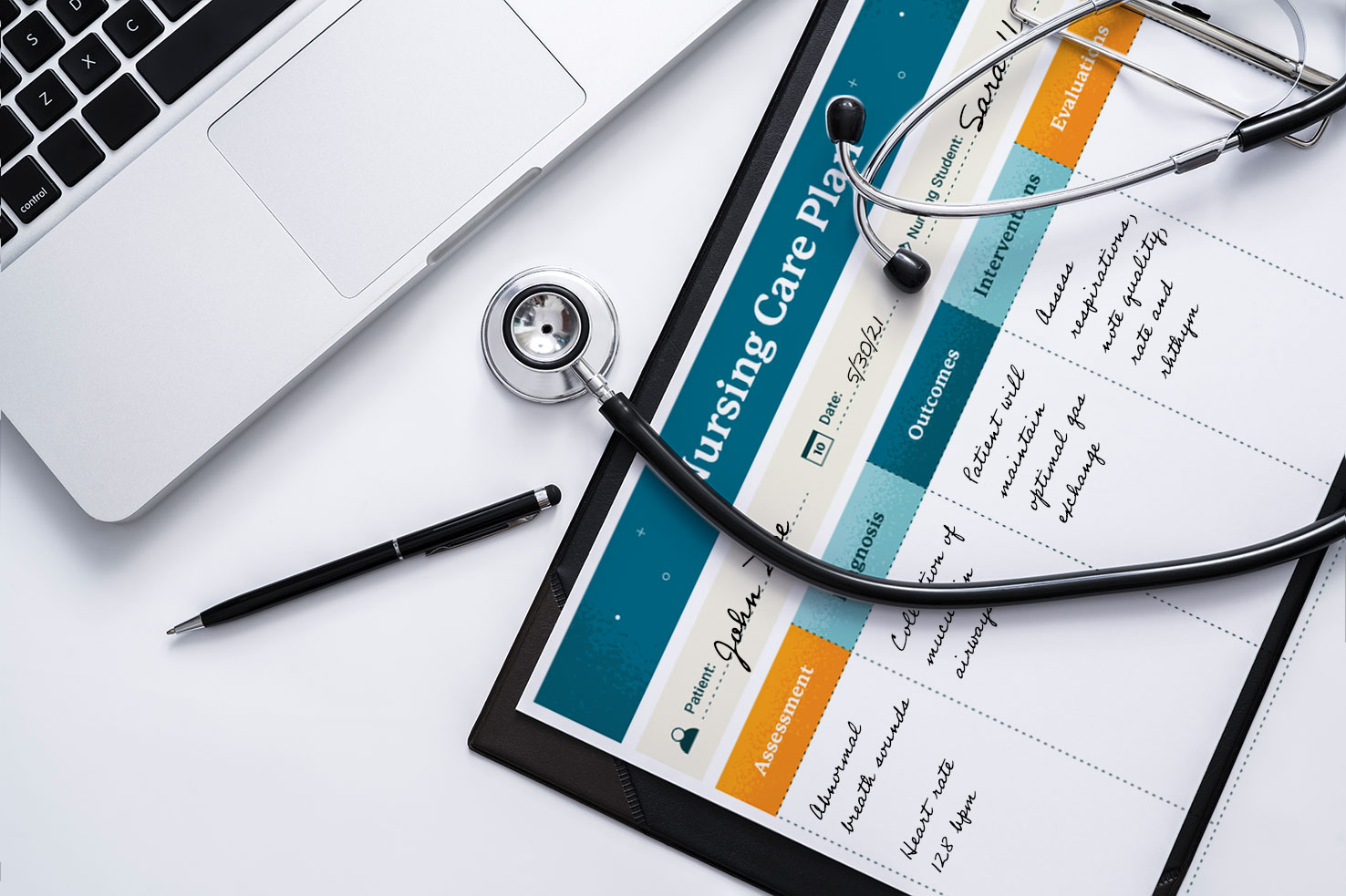
When it comes to delivering exceptional healthcare, a well-thought-out nursing care plan is paramount. The nursing care plan serves as a personalized roadmap, guiding healthcare professionals to provide comprehensive and individualized care for patients. In this article, we’ll delve into the essential components and considerations for developing a robust nursing care plan to ensure optimal patient wellness.
Understanding the Patient’s Needs
The first step in creating an effective care plan is a thorough assessment of the patient’s needs. This includes a comprehensive review of their medical history, current health status, and any specific challenges they may be facing. Understanding the patient’s physical, emotional, and social needs is crucial for tailoring the care plan to meet their unique requirements.
Get Your Custom Essay Written From Scratch Crafting an Effective Nursing Care Plan for Patient Wellness with NurseHomeworks.com
 Get Answer Over WhatsApp
 Order Paper Now
Just from $13/Page
Setting Realistic Goals
Once the patient’s needs are identified, the next step is to establish realistic and achievable goals. These goals should be specific, measurable, and time-bound. Whether it’s managing chronic conditions, promoting recovery post-surgery, or addressing mental health concerns, setting clear objectives allows healthcare professionals to track progress and adjust the plan as needed.
Incorporating Evidence-Based Practices
A successful nursing care plan is rooted in evidence-based practices. This involves integrating the latest medical research and guidelines into the plan to ensure that the care provided is based on the most current and effective methods. Evidence-based care plans enhance patient outcomes and contribute to the overall quality of healthcare delivery.
Collaboration and Communication
Effective communication and collaboration among healthcare professionals are pivotal for a seamless care plan. Nurses, doctors, and other members of the healthcare team must work together to share information, discuss progress, and address any emerging issues promptly. A cohesive team ensures that the patient receives holistic and coordinated care.
Regular Evaluation and Adjustment
The healthcare landscape is dynamic, and a patient’s condition can change rapidly. Regular evaluation of the care plan is essential to track the effectiveness of interventions and make necessary adjustments. This adaptability ensures that the care plan remains relevant and responsive to the patient’s evolving needs.
Educating and Involving the Patient
Empowering patients with knowledge about their care plan is integral to its success. Nurses should engage in patient education, explaining the rationale behind interventions, medications, and lifestyle recommendations. Involving the patient in their care fosters a sense of ownership and encourages active participation in maintaining their health.
Crafting a nursing care plan for a patient is a dynamic and collaborative process that requires attention to detail, evidence-based practices, and a patient-centered approach. By understanding the unique needs of each patient, setting realistic goals, and fostering effective communication, healthcare professionals can deliver exceptional care that promotes patient wellness and enhances overall healthcare outcomes.
Incorporate these principles into your nursing care plans to elevate the quality of care provided and contribute to positive patient experiences. For additional resources and insights into nursing care planning, visit NurseHomeworks.com.
Elevate Your Patient Care with NurseHomeworks.com

Crafting an Effective Nursing Care Plan for Patient Wellness with NurseHomeworks.com
When it comes to delivering exceptional healthcare, a well-thought-out nursing care plan is paramount. The nursing care plan serves as a personalized roadmap, guiding healthcare professionals to provide comprehensive and individualized care for patients. In this article, we’ll delve into the essential components and considerations for developing a robust nursing care plan to ensure optimal patient wellness.
Understanding the Patient’s Needs
The first step in creating an effective care plan is a thorough assessment of the patient’s needs. This includes a comprehensive review of their medical history, current health status, and any specific challenges they may be facing. Understanding the patient’s physical, emotional, and social needs is crucial for tailoring the care plan to meet their unique requirements.
Setting Realistic Goals
Once the patient’s needs are identified, the next step is to establish realistic and achievable goals. These goals should be specific, measurable, and time-bound. Whether it’s managing chronic conditions, promoting recovery post-surgery, or addressing mental health concerns, setting clear objectives allows healthcare professionals to track progress and adjust the plan as needed.
Incorporating Evidence-Based Practices
A successful nursing care plan is rooted in evidence-based practices. This involves integrating the latest medical research and guidelines into the plan to ensure that the care provided is based on the most current and effective methods. Evidence-based care plans enhance patient outcomes and contribute to the overall quality of healthcare delivery.
Collaboration and Communication
Effective communication and collaboration among healthcare professionals are pivotal for a seamless care plan. Nurses, doctors, and other members of the healthcare team must work together to share information, discuss progress, and address any emerging issues promptly. A cohesive team ensures that the patient receives holistic and coordinated care.
Regular Evaluation and Adjustment
The healthcare landscape is dynamic, and a patient’s condition can change rapidly. Regular evaluation of the care plan is essential to track the effectiveness of interventions and make necessary adjustments. This adaptability ensures that the care plan remains relevant and responsive to the patient’s evolving needs.
Educating and Involving the Patient
Empowering patients with knowledge about their care plan is integral to its success. Nurses should engage in patient education, explaining the rationale behind interventions, medications, and lifestyle recommendations. Involving the patient in their care fosters a sense of ownership and encourages active participation in maintaining their health.
Crafting a nursing care plan for a patient is a dynamic and collaborative process that requires attention to detail, evidence-based practices, and a patient-centered approach. By understanding the unique needs of each patient, setting realistic goals, and fostering effective communication, healthcare professionals can deliver exceptional care that promotes patient wellness and enhances overall healthcare outcomes.
Incorporate these principles into your nursing care plans to elevate the quality of care provided and contribute to positive patient experiences. For additional resources and insights into nursing care planning, visit NurseHomeworks.com.
Enhancing Patient Care A Comprehensive Approach with NurseHomeworks.com
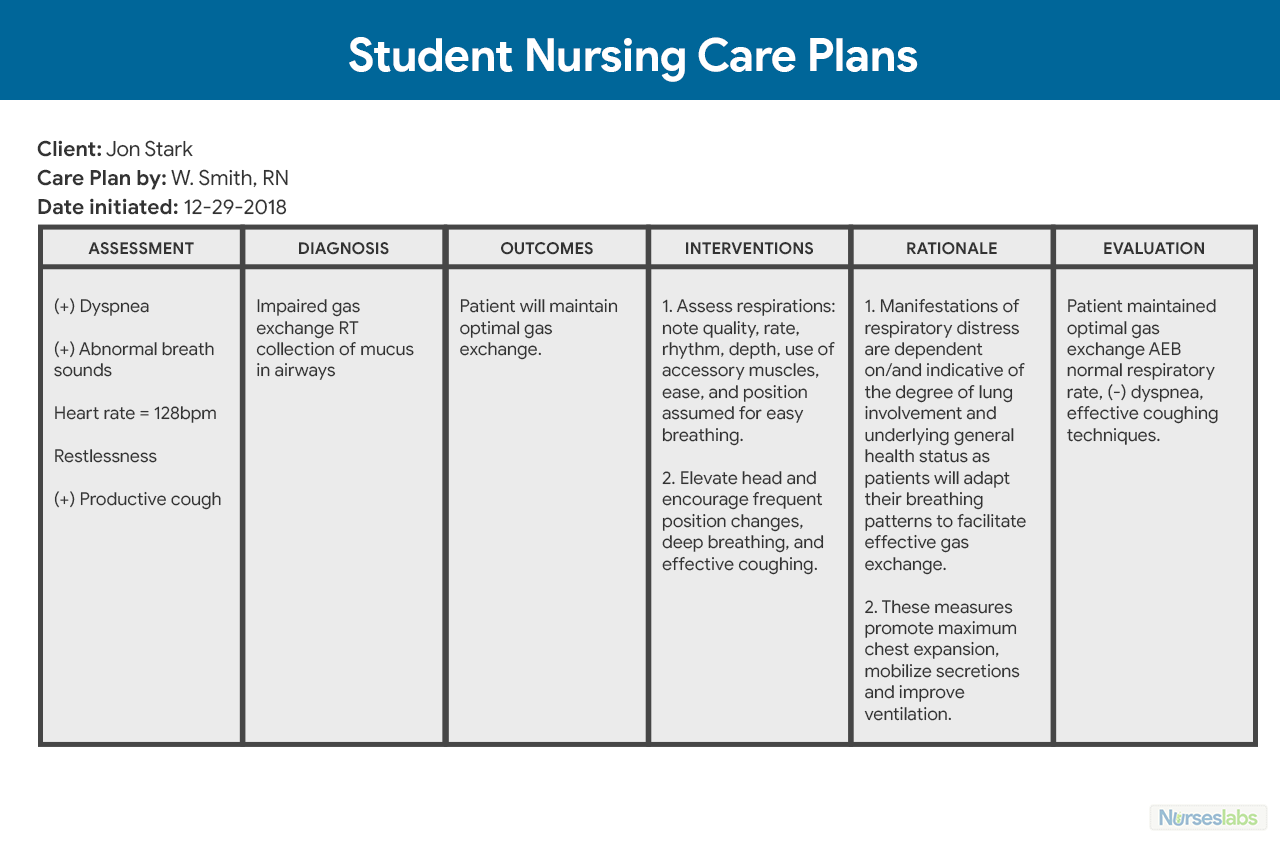
Crafting an Effective Nursing Care Plan for Patient Wellness with NurseHomeworks.com
When it comes to delivering exceptional healthcare, a well-thought-out nursing care plan is paramount. The nursing care plan serves as a personalized roadmap, guiding healthcare professionals to provide comprehensive and individualized care for patients. In this article, we’ll delve into the essential components and considerations for developing a robust nursing care plan to ensure optimal patient wellness.
Understanding the Patient’s Needs
The first step in creating an effective care plan is a thorough assessment of the patient’s needs. This includes a comprehensive review of their medical history, current health status, and any specific challenges they may be facing. Understanding the patient’s physical, emotional, and social needs is crucial for tailoring the care plan to meet their unique requirements.
Setting Realistic Goals
Once the patient’s needs are identified, the next step is to establish realistic and achievable goals. These goals should be specific, measurable, and time-bound. Whether it’s managing chronic conditions, promoting recovery post-surgery, or addressing mental health concerns, setting clear objectives allows healthcare professionals to track progress and adjust the plan as needed.
Incorporating Evidence-Based Practices
A successful nursing care plan is rooted in evidence-based practices. This involves integrating the latest medical research and guidelines into the plan to ensure that the care provided is based on the most current and effective methods. Evidence-based care plans enhance patient outcomes and contribute to the overall quality of healthcare delivery.
Collaboration and Communication
Effective communication and collaboration among healthcare professionals are pivotal for a seamless care plan. Nurses, doctors, and other members of the healthcare team must work together to share information, discuss progress, and address any emerging issues promptly. A cohesive team ensures that the patient receives holistic and coordinated care.
Regular Evaluation and Adjustment
The healthcare landscape is dynamic, and a patient’s condition can change rapidly. Regular evaluation of the care plan is essential to track the effectiveness of interventions and make necessary adjustments. This adaptability ensures that the care plan remains relevant and responsive to the patient’s evolving needs.
Educating and Involving the Patient
Empowering patients with knowledge about their care plan is integral to its success. Nurses should engage in patient education, explaining the rationale behind interventions, medications, and lifestyle recommendations. Involving the patient in their care fosters a sense of ownership and encourages active participation in maintaining their health.
Crafting a nursing care plan for a patient is a dynamic and collaborative process that requires attention to detail, evidence-based practices, and a patient-centered approach. By understanding the unique needs of each patient, setting realistic goals, and fostering effective communication, healthcare professionals can deliver exceptional care that promotes patient wellness and enhances overall healthcare outcomes.
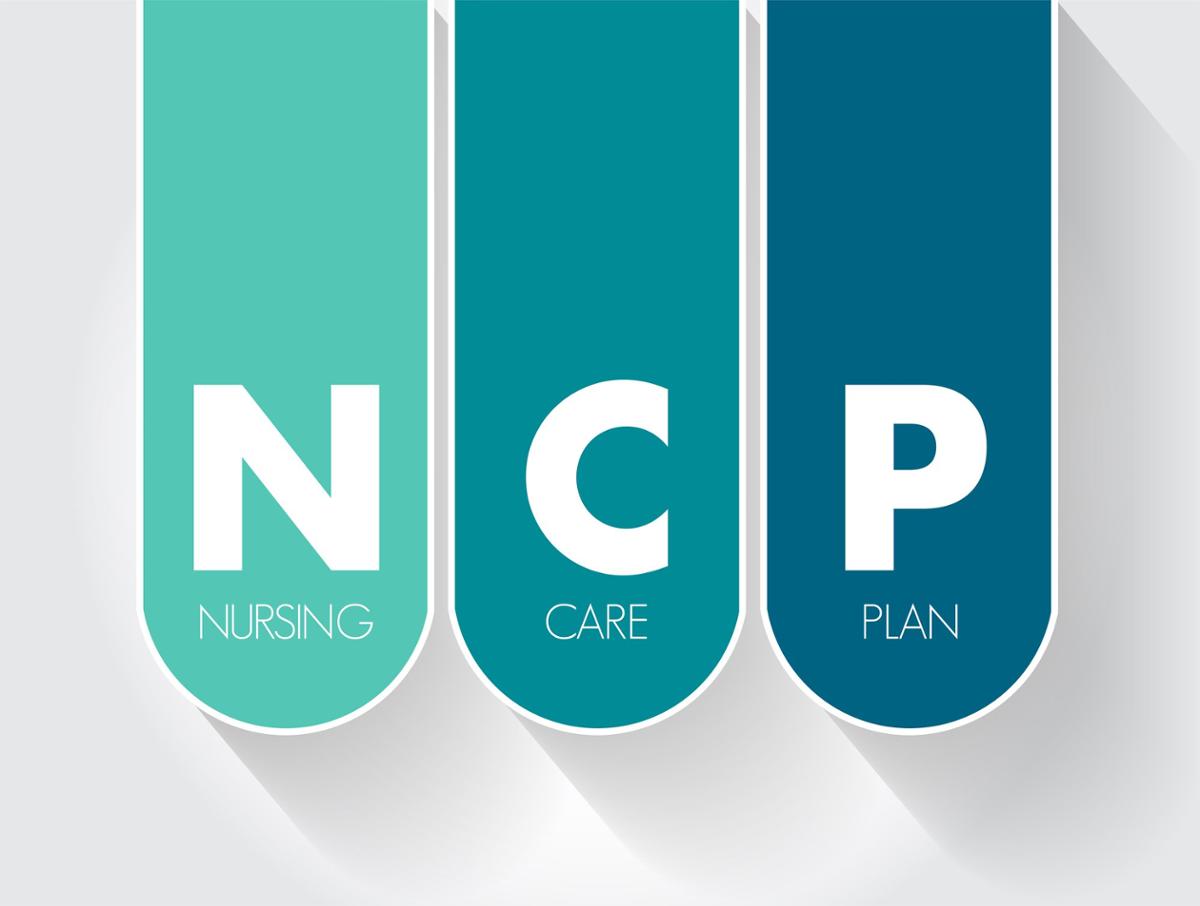
Incorporate these principles into your nursing care plans to elevate the quality of care provided and contribute to positive patient experiences. For additional resources and insights into nursing care planning, visit NurseHomeworks.com.
Whether you’re a seasoned healthcare professional or a student aspiring to enter the field, NurseHomeworks.com offers a wealth of resources and support to enhance your knowledge and proficiency in nursing care planning. Explore our website for in-depth articles, case studies, and tools designed to empower and educate healthcare providers.
For a more in-depth understanding and practical guidance on nursing care planning, visit NurseHomeworks.com today.
Needs help with nursing assignment?
We are available 24x7 to deliver the best services and assignment ready within 3-4 hours? Order a custom-written, plagiarism-free paper
Get Answer Over WhatsApp
Order Paper Now