Ebola Nursing Homework Help

Ebola Nursing Homework Help

Understanding Ebola and its implications is a crucial component of modern nursing education. For nurses, knowledge about this highly infectious and deadly disease ensures the ability to respond effectively to outbreaks and protect public health. However, tackling assignments on such a complex subject can feel daunting. With the right resources and direction, nursing students can ace their Ebola-focused coursework while deepening their expertise.

Understanding Ebola Virus Disease : Ebola Nursing Homework Help

Ebola Virus Disease (EVD) isn’t just a medical challenge—it’s a global concern. Nurses must grasp its biology, symptoms, and transmission to ensure effective prevention and care.

Get Your Custom Essay Written From Scratch Ebola Nursing Homework Help

Get Answer Over WhatsApp Order Paper Now

Just from $13/Page

What is Ebola?

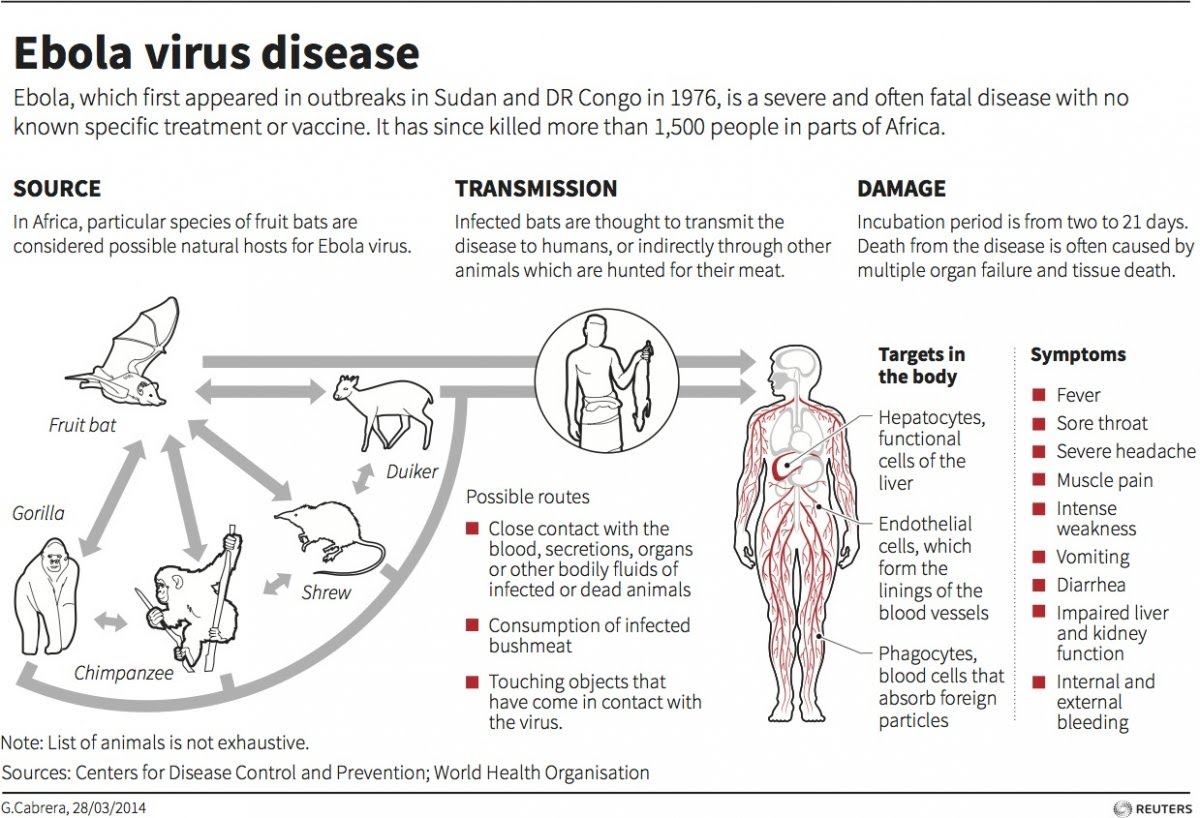
Ebola Virus Disease is a severe illness caused by infection with viruses from the genus Orthoebolavirus. Originating from Central Africa, the disease gained international attention with significant outbreaks, including the 2014 West African epidemic which claimed thousands of lives. This infection often spreads in communities via close contact with contaminated blood, body fluids, or tissues.

To learn more about this disease’s background, check out the Centers for Disease Control and Prevention (CDC)’s Ebola Disease Basics.
Ebola Nursing Homework Help
Photo by Tara Winstead

Symptoms of Ebola : Ebola Nursing Homework Help

The symptoms of EVD often mimic other illnesses early on, complicating early diagnosis. Common signs include:

  • High fever
  • Severe headaches
  • Muscle pain and weakness
  • Vomiting and diarrhea
  • Unexplained bleeding or bruising

For a complete symptom overview, explore the Cleveland Clinic’s resource on Ebola symptoms and prevention.

Transmission of the Virus : Ebola Nursing Homework Help

Ebola spreads when infected blood, bodily fluids, or tissues come into contact with broken skin or mucous membranes. Healthcare workers in areas with poor protective resources face heightened risks. This underscores the need for rigorous infection control measures.

The World Health Organization (WHO) provides a detailed explanation of how EVD spreads, making it an excellent study reference.

Ebola Nursing Curriculum Essentials

Ebola-focused nursing education isn’t just about facts—it’s about preparing future nurses for real-world challenges.

Infection Prevention Strategies : Ebola Nursing Homework Help

Effective infection control measures are critical in nursing care. These include:

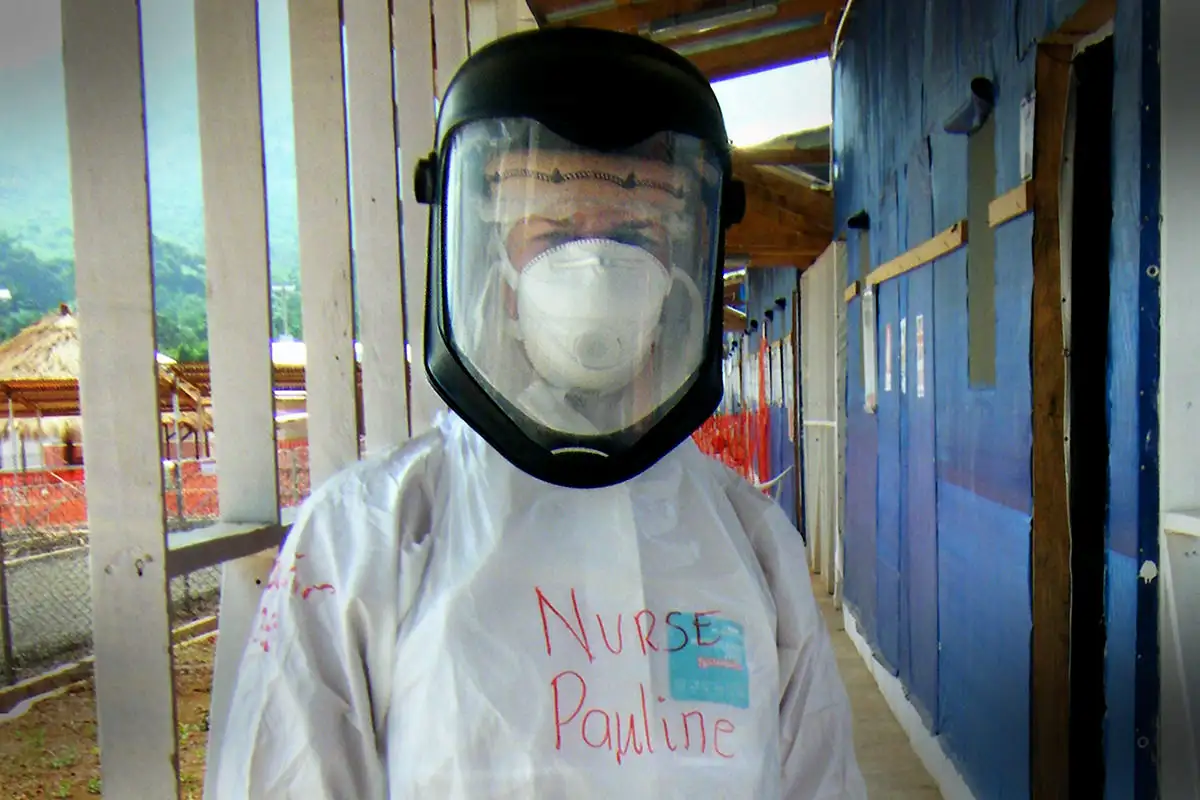
  • Proper use of Personal Protective Equipment (PPE)
  • Safe disposal of contaminated materials
  • Maintaining strict hygiene protocols

The Association for Professionals in Infection Control and Epidemiology offers tailored teaching modules for nurse educators.

Patient Care Considerations : Ebola Nursing Homework Help

Caring for Ebola patients requires both medical expertise and emotional fortitude. Nurses must minimize direct contact while ensuring compassionate care. They need to be vigilant about hydration, nutrition, and monitoring for secondary infections.

A good resource for patient handling techniques can be found in this nursing study guide.

Community and Global Health Implications

Ebola isn’t an isolated issue—it affects entire communities. Nurses working in outbreak zones often address public stigma and misinformation, while globally, they contribute to strengthening health systems to prevent future crises.

For perspective on Ebola’s broader impact, explore the Pan American Health Organization’s Ebola resources.

Resources for Nursing Students

Assignments and exams on Ebola demand not just knowledge, but access to reliable tools and support.

Textbooks and Online Materials

While textbooks like Medical-Surgical Nursing provide foundational knowledge, modern students also benefit from online platforms. Websites such as the American Nurses Association (ANA) provide up-to-date guidance.

Study Groups and Tutoring Options

Sometimes, the best way to tackle complex subjects is through collaboration. Joining a study group or hiring a tutor can make intricate concepts clearer. Platforms like Nursing CEUs offer specialized modules for focused learning.

Using Academic Help Services

If you’re struggling with assignments, it’s okay to seek help. Online academic services can provide guidance or even help draft expertly researched papers. Ensure you use trusted services for quality work.

Ebola Nursing Homework Help

Ebola nursing assignments are more than just academic requirements—they’re an opportunity to equip yourself for challenges nurses face globally. By diving into the symptoms, transmission, and prevention strategies of Ebola, you’re not just scoring well in class; you’re preparing to save lives.

Make sure to leverage reliable resources and ask for help when needed. From study guides to professional organizations, there’s a wealth of support out there. Keep pushing forward—your education is the key to becoming a confident, skilled nurse.
Ebola Nursing Homework Help: A Guide for Students

Understanding Ebola and its implications is a crucial component of modern nursing education. For nurses, knowledge about this highly infectious and deadly disease ensures the ability to respond effectively to outbreaks and protect public health. However, tackling assignments on such a complex subject can feel daunting. With the right resources and direction, nursing students can ace their Ebola-focused coursework while deepening their expertise.

Understanding Ebola Virus Disease

Ebola Virus Disease (EVD) isn’t just a medical challenge—it’s a global concern. Nurses must grasp its biology, symptoms, and transmission to ensure effective prevention and care.

What is Ebola?

Ebola Virus Disease is a severe illness caused by infection with viruses from the genus Ebolavirus. Originating from Central Africa, the disease gained international attention with significant outbreaks, including the 2014 West African epidemic, which claimed thousands of lives. This infection often spreads in communities via close contact with contaminated blood, body fluids, or tissues.

To learn more about this disease’s background, check out the Centers for Disease Control and Prevention (CDC)’s Ebola Disease Basics.
Ebola Nursing Homework Help

Symptoms of Ebola

Ebola’s symptoms often mimic those of other illnesses in the early stages, complicating diagnosis. Common signs include:

  • High fever
  • Severe headaches
  • Muscle pain and weakness
  • Vomiting and diarrhea
  • Unexplained bleeding or bruising

Understanding the progression of these symptoms is critical for early intervention. For a complete symptom overview, explore the Cleveland Clinic’s resource on Ebola symptoms and prevention.

Transmission of the Virus

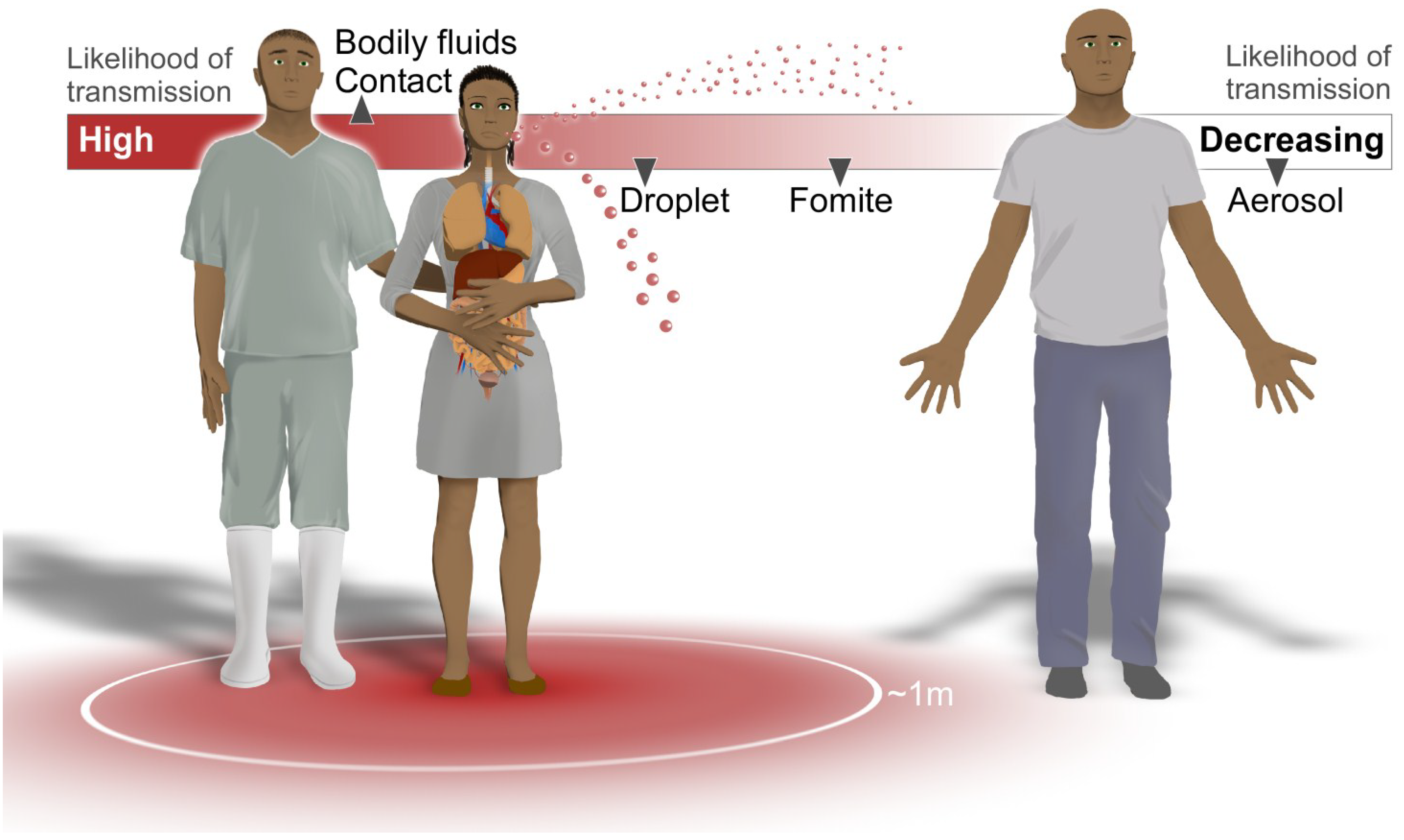
Ebola spreads through direct contact with infected blood, bodily fluids, or tissues, particularly through broken skin or mucous membranes. Healthcare workers in outbreak zones, especially those lacking protective resources, face the highest risks. This underscores the importance of rigorous infection control measures.

The World Health Organization (WHO) provides a detailed explanation of how EVD spreads, making it an excellent study reference. Learn more on the WHO website.

Ebola Nursing Curriculum Essentials

Ebola-focused nursing education goes beyond facts—it prepares future nurses to handle real-world crises effectively.

Infection Prevention Strategies

Effective infection control is paramount in nursing care. Key strategies include:

  • Proper use of Personal Protective Equipment (PPE)
  • Safe disposal of contaminated materials
  • Maintaining strict hygiene protocols

The Association for Professionals in Infection Control and Epidemiology provides tailored teaching modules that are highly valuable for nursing educators and students.

Patient Care Considerations

Caring for Ebola patients requires both technical expertise and emotional resilience. Nurses must:

  • Minimize direct contact while delivering compassionate care.
  • Prioritize hydration, nutrition, and monitoring for secondary infections.
  • Follow strict protocols to prevent cross-contamination.

A comprehensive guide for patient handling techniques can be found in this detailed nursing study resource: Nurseslabs – Ebola Virus Disease.

Community and Global Health Implications

Ebola’s impact extends far beyond individual patients, affecting entire communities and health systems. Nurses in outbreak zones often confront public stigma and misinformation, playing a key role in educating communities and rebuilding trust. Globally, nurses contribute to strengthening health systems to prevent future crises.

Explore the broader implications of Ebola through resources provided by the Pan American Health Organization.

Resources for Nursing Students

Tackling assignments on Ebola demands a combination of credible resources and strategic study methods.

Textbooks and Online Materials

Standard textbooks like Medical-Surgical Nursing provide foundational insights, while websites like the American Nurses Association offer up-to-date information tailored to current nursing practices.

Study Groups and Tutoring Options

Collaborating with peers or seeking tutoring can simplify complex concepts. Platforms like Nursing CEUs provide specialized modules, ensuring a deeper understanding of Ebola-related topics.

Academic Help Services

If you’re finding it hard to keep up with assignments, consider professional academic help services. These platforms provide guidance on research, writing, and formatting, helping you create high-quality papers. Choose reliable services with a proven track record of success.

Ebola Nursing Homework Help

Ebola nursing assignments are more than just academic requirements—they’re opportunities to prepare for real-world challenges. By studying the symptoms, transmission, and prevention strategies of Ebola, nursing students are equipping themselves with the knowledge and skills to save lives.

Leverage trusted resources, collaborate with peers, and don’t hesitate to seek expert guidance when needed. Each step you take brings you closer to becoming a skilled, confident nurse ready to make a global impact.

Needs help with nursing assignment?

We are available 24x7 to deliver the best services and assignment ready within 3-4 hours? Order a custom-written, plagiarism-free paper

Get Answer Over WhatsApp Order Paper Now

Scroll to Top
